A Clear Plan When Your Child Has a Fever
A child’s fever can make an ordinary day feel uncertain fast, especially during Michigan’s fall cold and flu season. Your child may wake up warm, tired, and uncomfortable, and you may wonder whether to watch them at home, contact their regular pediatrician, or seek pediatric urgent care. Fever is common and often means the body is responding to an infection, but your child’s age, symptoms, behavior, and health history matter more than the thermometer number alone.
We want to help you make a calmer, more informed choice. Below, we explain when home monitoring may be reasonable, when same-day evaluation can help, and when emergency care is the safer choice. This information is for general education and does not replace advice from a qualified healthcare professional who knows your child.
What a Fever May Mean for Your Child
In general, a temperature of 100.4 degrees Fahrenheit or higher is considered a fever. The way you take the temperature can affect the reading, so we recommend using an age-appropriate thermometer and writing down the temperature, the time, and the method used. Those details can help a healthcare provider understand what has been happening.
During autumn and winter, many fevers are linked to viral illnesses such as colds, flu, COVID-19, respiratory syncytial virus, or stomach viruses. Other conditions, including ear infections, strep throat, urinary tract infections, and other illnesses, can also cause fever and may need an exam.
A higher fever does not always mean a child is more seriously ill. When we evaluate a child, we also pay close attention to how they look and act. Helpful clues include:
- Their breathing and comfort level
- Whether they are drinking fluids and urinating
- Their alertness, energy, and ability to respond normally
- Pain, rash, vomiting, diarrhea, or other new symptoms
- Whether they can be comforted between fever spikes
A child who has a fever but is making eye contact, taking fluids, and having periods of play may look very different from a child who is unusually sleepy, struggling to breathe, or difficult to wake. Trust your observations. You know what is normal for your child.
When Home Monitoring May Be Enough
For an otherwise healthy older child with a mild fever and no concerning symptoms, home monitoring may be appropriate. Encourage rest, offer fluids often, and dress your child in lightweight clothing so they can stay comfortable. If you are considering fever-reducing medicine, follow a clinician’s dosing guidance and the instructions on the product label.
Instead of checking the thermometer over and over, watch how your child is doing overall. We encourage caregivers to notice whether the child is drinking, using the bathroom regularly, responding to you normally, and becoming more comfortable at times. Even so, a child’s behavior can change quickly, so it is reasonable to seek guidance when something does not feel right.
October is also a good time to remember that fever can spread illness through households, classrooms, daycare groups, sports, and social activities. Keep children home when they have a fever or feel unwell, and follow guidance from their school or daycare before they return. If symptoms continue, worsen, or return after seeming to improve, their regular pediatrician can offer individualized advice.
When Pediatric Urgent Care Can Help the Same Day
Pediatric urgent care can be a useful choice when your child needs prompt attention but does not appear to have a life-threatening emergency. A same-day visit may be appropriate when fever comes with symptoms that need a closer look, such as:
- Ear pain or a persistent sore throat
- Cough, congestion, or worsening cold symptoms
- Vomiting or diarrhea
- A new rash
- Painful urination or other urinary concerns
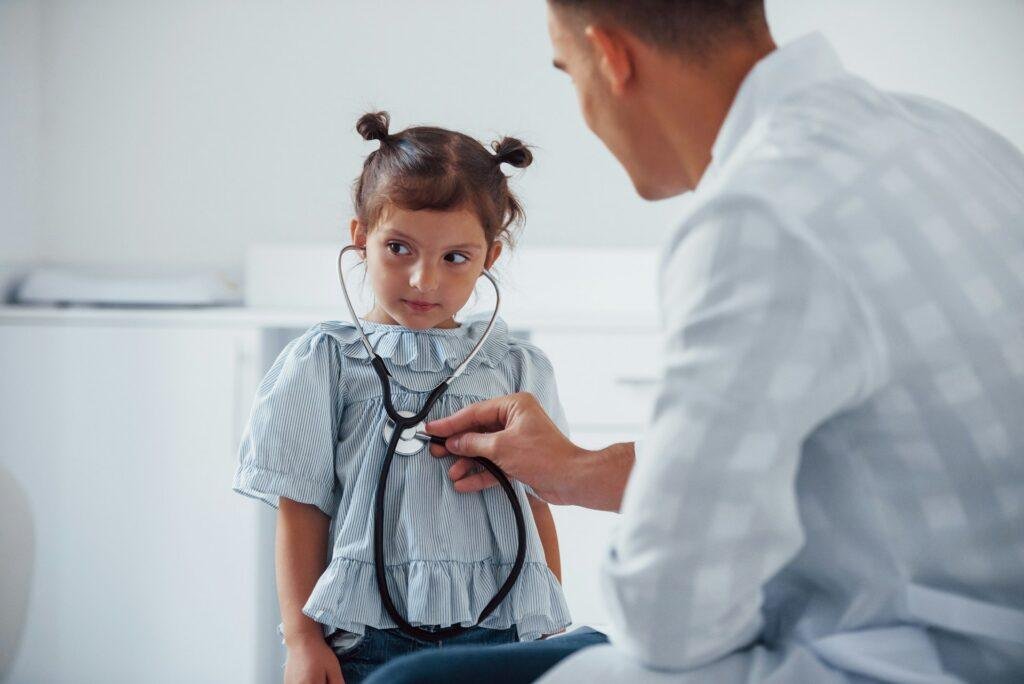
During an in-person visit, we can assess your child’s vital signs, hydration, breathing, ears, throat, lungs, and overall appearance. Depending on their symptoms, our providers may recommend testing for concerns such as influenza, COVID-19, strep throat, or a urinary tract infection. From there, we can discuss the next steps based on the exam and test results.
For families in Sterling Heights, our providers offer convenient same-day appointments for common childhood illnesses, minor injuries, and acute symptoms. Telehealth may also be an option for certain concerns, though a child may need an in-person exam when testing or a hands-on evaluation is needed.
Fever Signs That Need Emergency Care
Some symptoms call for emergency evaluation rather than urgent care. Call 911 or go to the nearest emergency department if your child has trouble breathing, blue or gray lips or skin, a seizure, severe confusion, extreme difficulty waking, a stiff neck, severe headache, or signs of a serious allergic reaction.
Dehydration is another concern, particularly when fever occurs with vomiting or diarrhea. Infants and young children can become dehydrated more quickly than adults. Warning signs may include:
- A very dry mouth or no tears when crying
- Much fewer wet diapers or bathroom trips than usual
- Sunken eyes
- Unusual sleepiness or weakness
- An inability to keep fluids down
Age matters a great deal with fever. A baby younger than 3 months with a rectal temperature of 100.4 degrees Fahrenheit or higher needs immediate medical evaluation. Prompt care is also important for children with weakened immune systems, chronic health conditions, a concerning rash, a fever that lasts or keeps returning, or symptoms that improve and then come back worse.
Choose the Right Care for Your Child Today
When your child is sick, keeping simple notes can make decisions easier. Track temperature readings, medicines given, fluid intake, bathroom trips, symptoms, and changes in behavior. Bring that information to any visit, since it gives us a clearer picture of how the illness has changed over time.
If your child seems seriously ill, has emergency warning signs, or is very young with a fever, choose emergency care without delay. For less severe symptoms that still need timely attention, a same-day medical evaluation can help you understand what may be causing the fever and what care is appropriate next.
Timely Care for Your Child’s Needs
At Sterling Medical Center & Urgent Care, our team is here to assess common childhood illnesses and help families make informed care decisions. Learn what to expect from pediatric urgent care when your child needs prompt attention. For questions about services or availability, contact us today.